A future she never imagined: Gide’s journey after obstetric fistula
August 31, 2026
- Overcoming fistula: Gide’s journey from tragedy and loss to renewed health and hope.
- Transformative medical care: The life-changing impact of free, specialised fistula repair surgery.
- Celebrating safe deliveries: How Hamlin Fistula Ethiopia supported Gide through the safe birth of her three children.
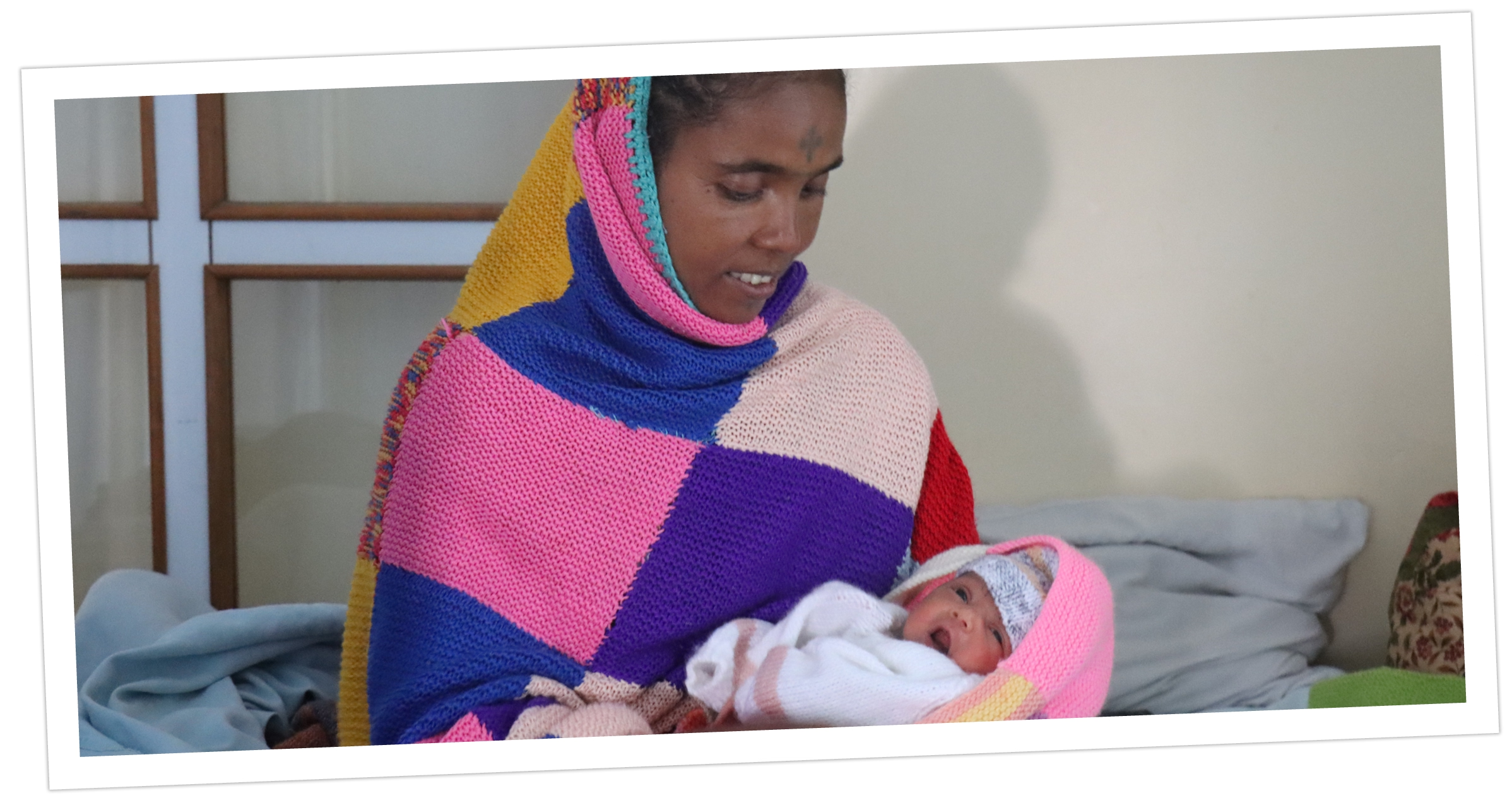
Gide is the happy mother of three beautiful children, all of whom were born at Hamlin’s Addis Ababa Fistula Hospital. But 16 years ago, she could never have imagined the life she has today.
After getting married, Gide became pregnant with her first child. With no nearby clinic or hospital, she had no access to skilled care during her pregnancy.
Living with obstetric fistula and isolation
When labour began, she endured five days before her family was able to take her to a local hospital. Her baby had died, and Gide was left with urinary incontinence caused by obstetric fistula.
“Living with the fistula was incredibly difficult and heartbreaking. Not only did I lose my child, but my husband abandoned me, and we divorced immediately after it happened,” Gide says.
“I was the very first person in my area to have this condition, so I had no companions to turn to. I didn’t even know such a problem could exist. I truly believed it had only happened to me, and I spent my days and nights crying while local people gossiped about me as if my condition were a taboo or a disgrace.”
Transformative surgical treatment at Hamlin
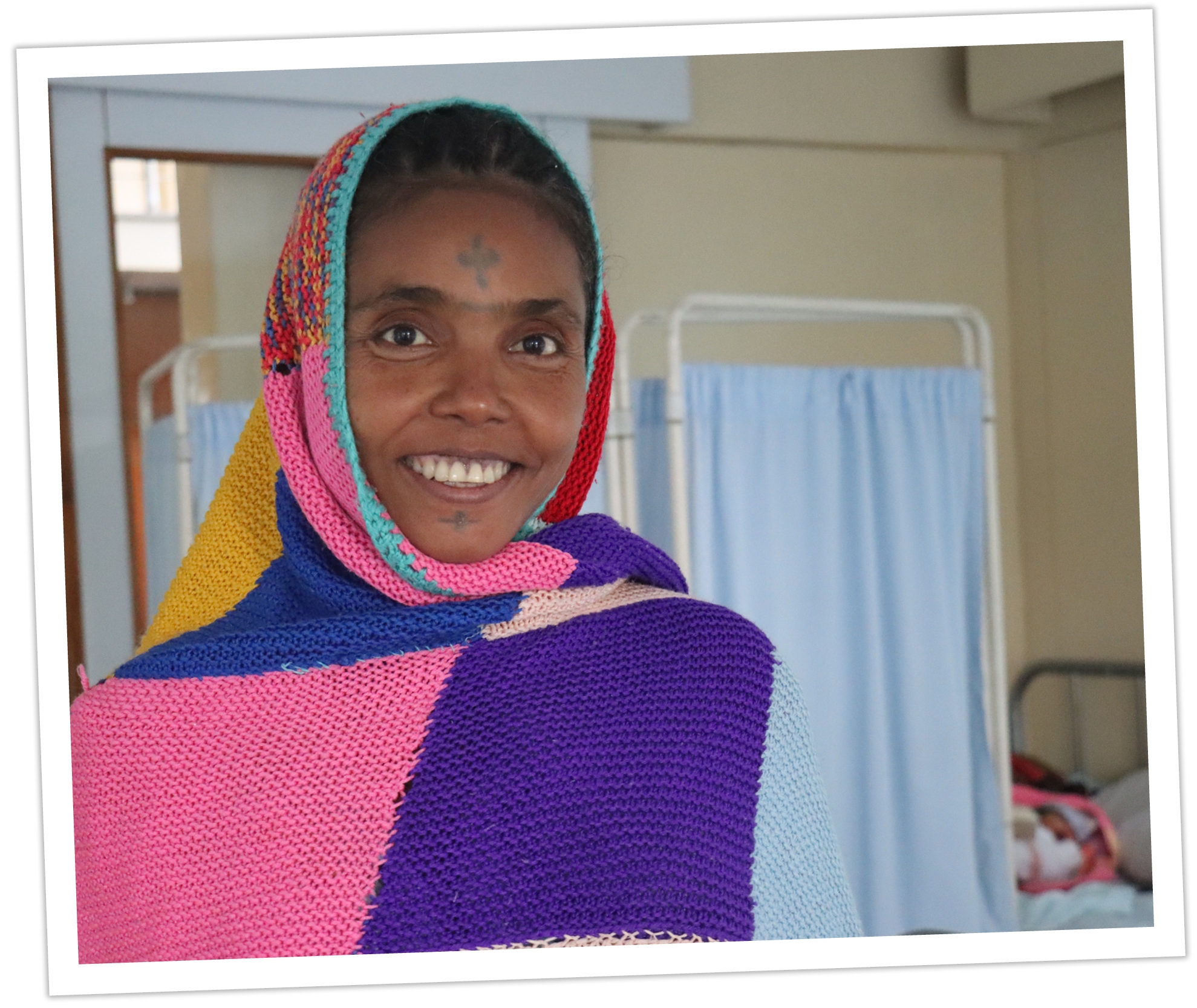
Eventually, unable to bear the shame and isolation any longer, Gide sought help from a doctor, who referred her to Hamlin’s Addis Ababa Fistula Hospital.
“Arriving at this place healed my mind even before my body was treated, because seeing other women made me realise I was not alone.”
Gide underwent fistula repair surgery and was successfully cured. “The care and love I received back then was truly wonderful. I was completely cured with just a single treatment.”
Rebuilding a future: safe childbirth and new beginnings
Two years later, Gide remarried and began rebuilding her life. Three years after that, she discovered she was pregnant again.
Determined to have a safe birth, she returned to Hamlin’s Addis Ababa Fistula Hospital, where she delivered a healthy baby boy. Four years later, she returned to give birth to her daughter. Now, she has returned once again, this time celebrating the safe arrival of her third child.
“The care provided here is complete and beautiful. Everything, from the food to the profound love shown by the people, truly heals a person in ways that cannot be fully described in words.”
For Gide, fistula repair surgery did far more than end years of incontinence. It gave her the chance to rebuild her life and imagine a future she once thought was lost. Today, she is not only healed, but the proud mother of three children — a life that, during her darkest years, she could never have believed was possible.
Your support can give more women like Gide the chance not only to heal, but to reclaim their future — and experience possibilities they once thought were lost.


Catherine Hamlin Fistula Foundation acknowledges the Traditional Owners and Elders past, present and emerging throughout Australia and the Gadigal people of the Eora Nation, the Traditional Owners of the land and waterways on which our Australian office is situated. We acknowledge the many ethnic groups in Ethiopia and their ancestral and cultural connection to the land where our work is undertaken.