The Healing Power of Friendship
June 25, 2026
On International Friendship Day, observed each year on 30 July, we celebrate one of humanity’s most powerful and healing bonds: friendship.
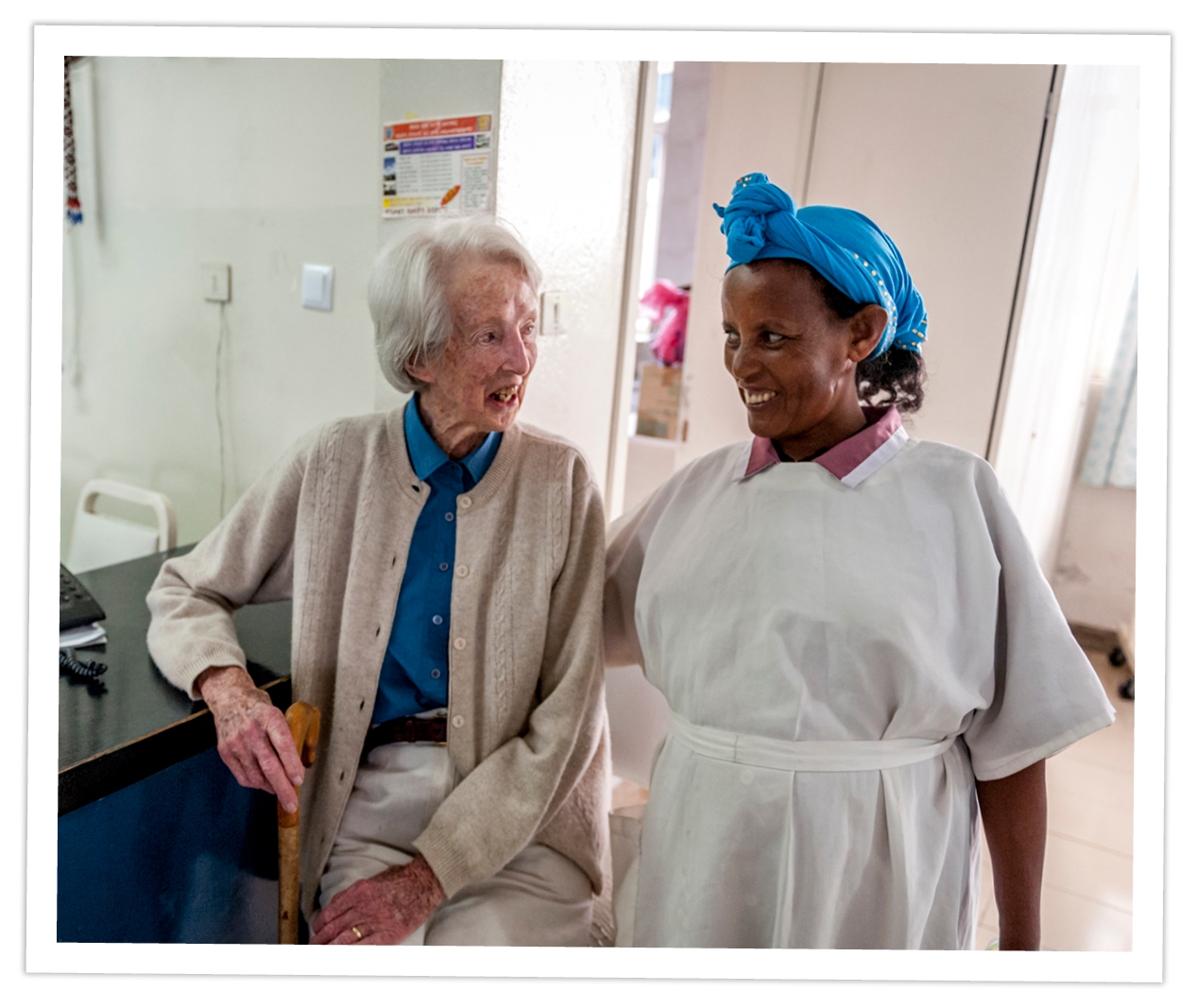
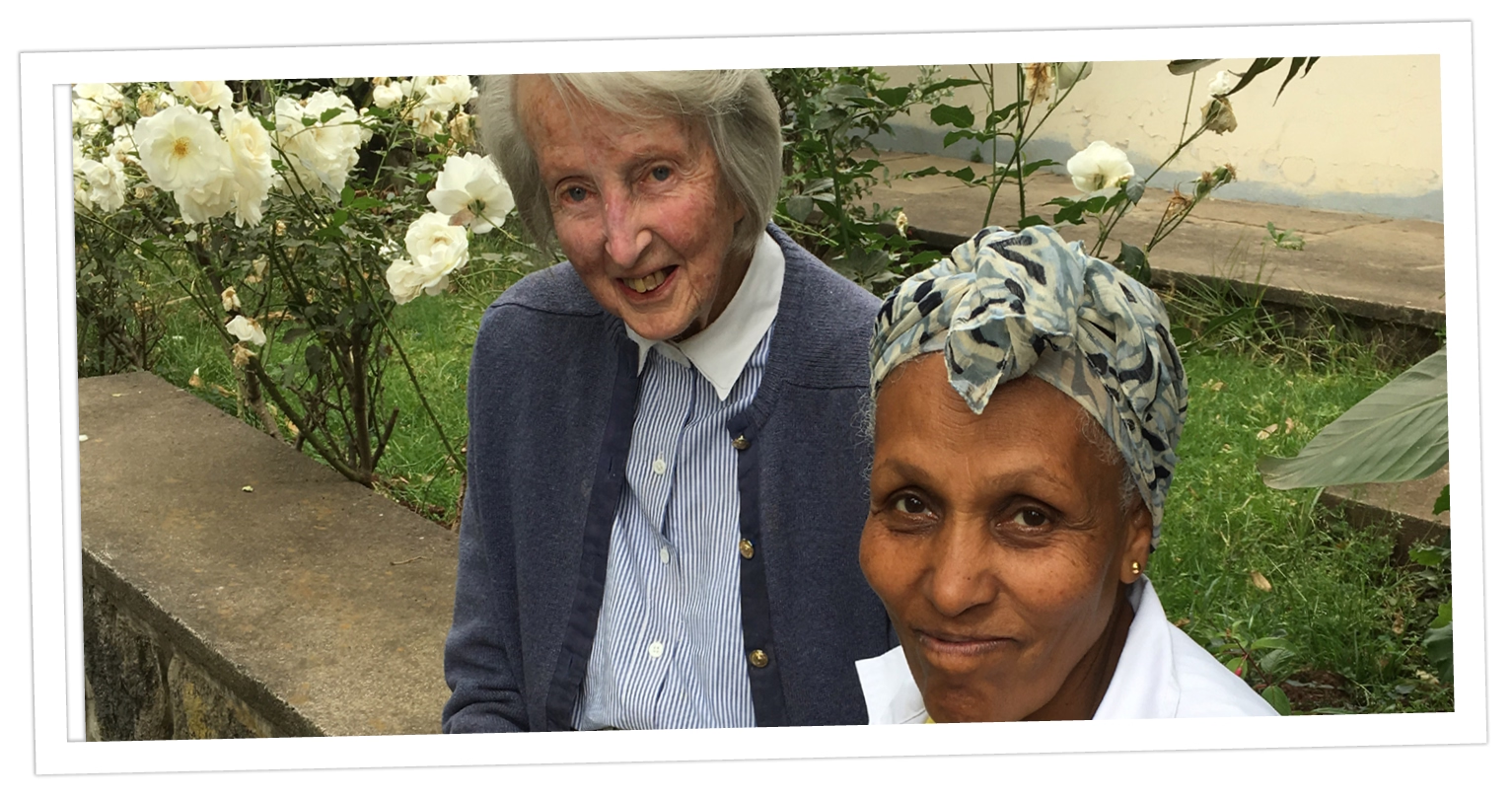
From the extraordinary partnership between Dr Catherine Hamlin and Mamitu Gashe, to the deep connections formed between patients inside Hamlin hospitals, we see daily how friendship restores hope, dignity and strength—especially in the face of hardship.
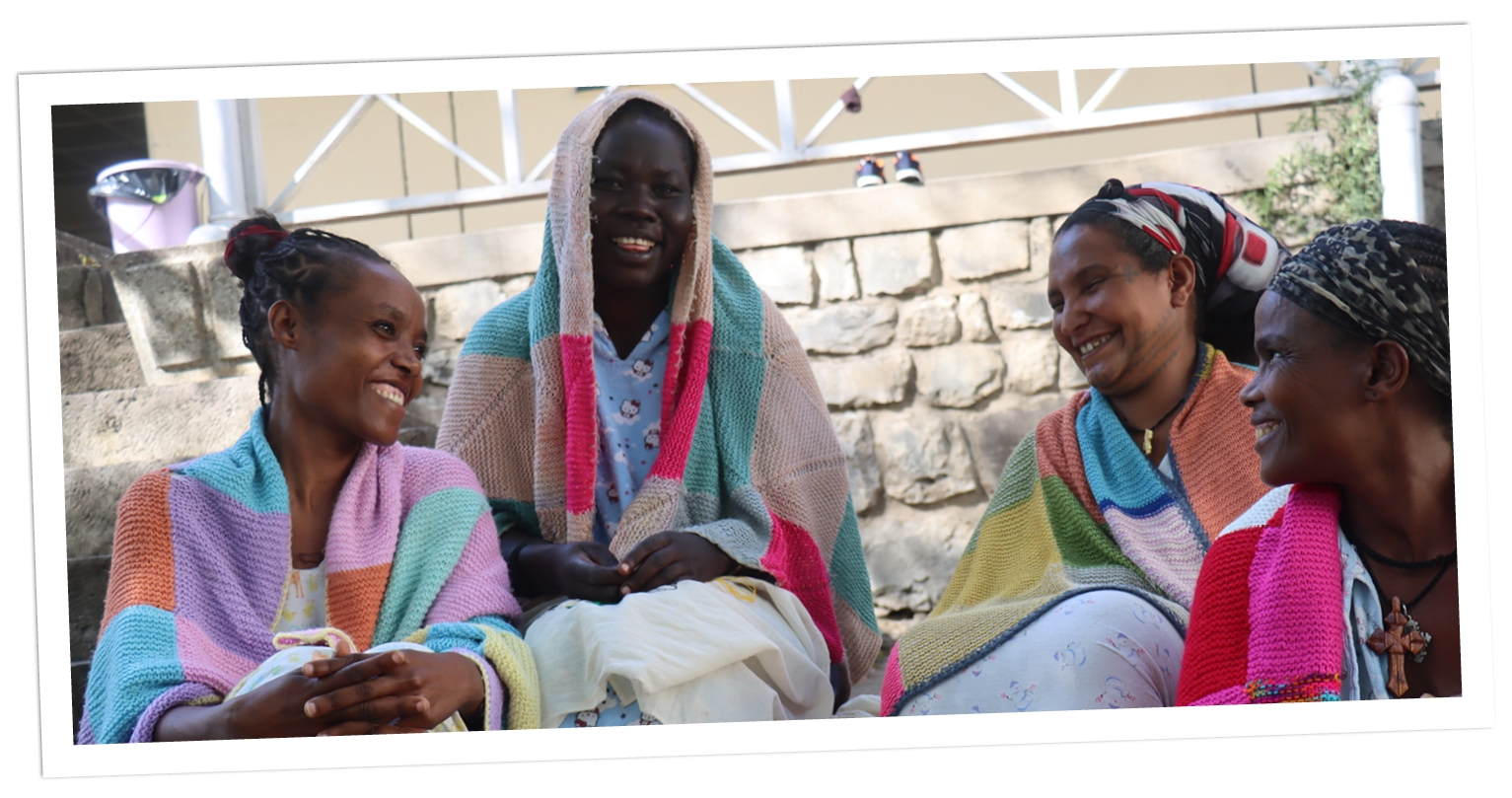
A global call for connection
The International Day of Friendship was officially declared in 2011 by the United Nations General Assembly, after years of advocacy by the World Friendship Crusade.
Their vision? A day to encourage understanding, solidarity and peace among all people—regardless of race, religion, or background.
In a world marked by conflict, inequality and human rights challenges, friendship offers a simple but powerful counterforce. It brings people together, fosters inclusion, and reminds us of our shared humanity.
Friendship in the face of obstetric fistula
For many women suffering from obstetric fistula, life becomes one of deep isolation. Dr Reg Hamlin explained: “Mourning the stillbirth of their only child, incontinent of urine, ashamed of their offensiveness, often spurned by their husbands, homeless, unemployable except in the fields, they endure, they exist, without friends and without hope. They bear their sorrows in silent shame.”
This is why friendship is so vital to healing.
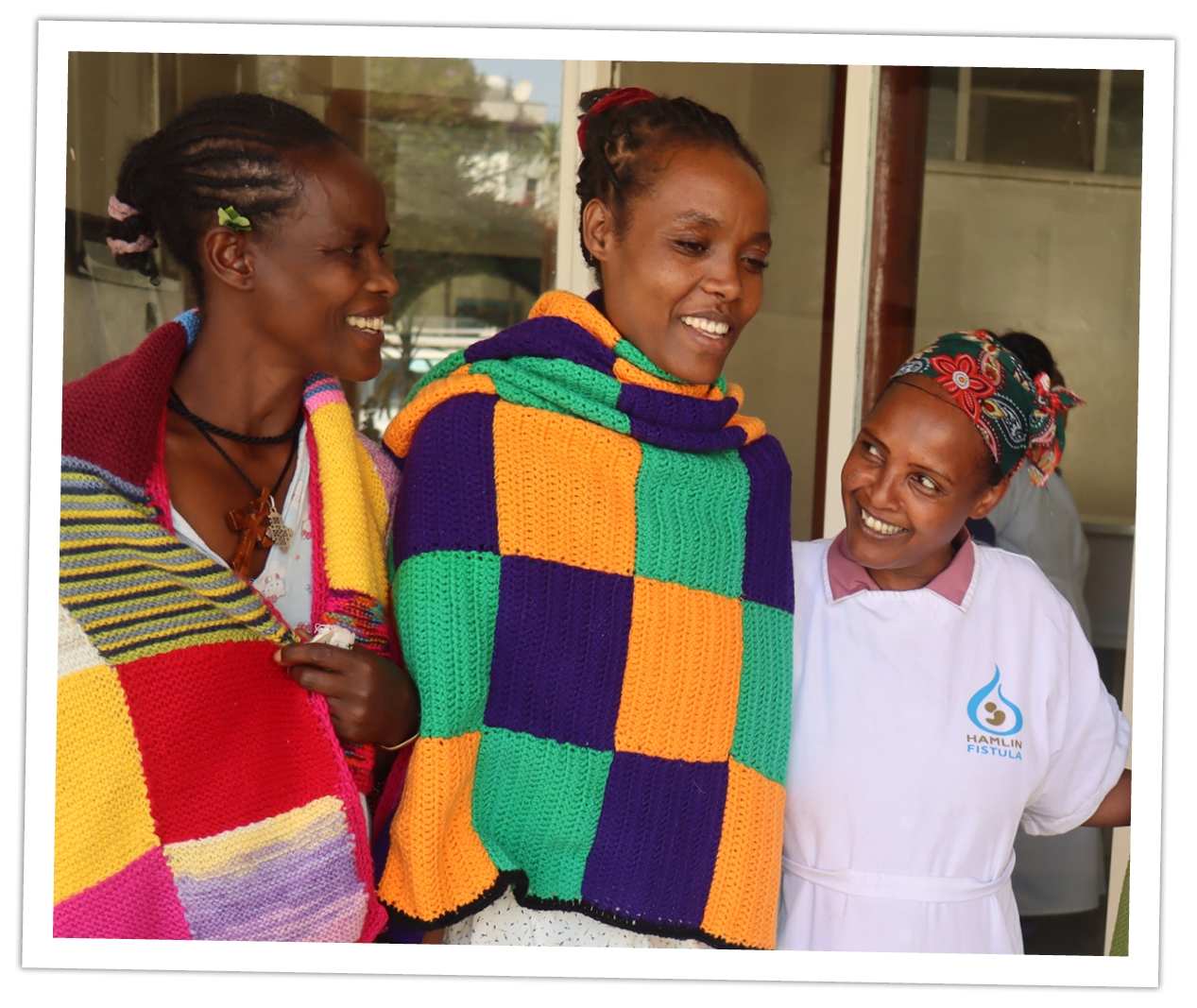
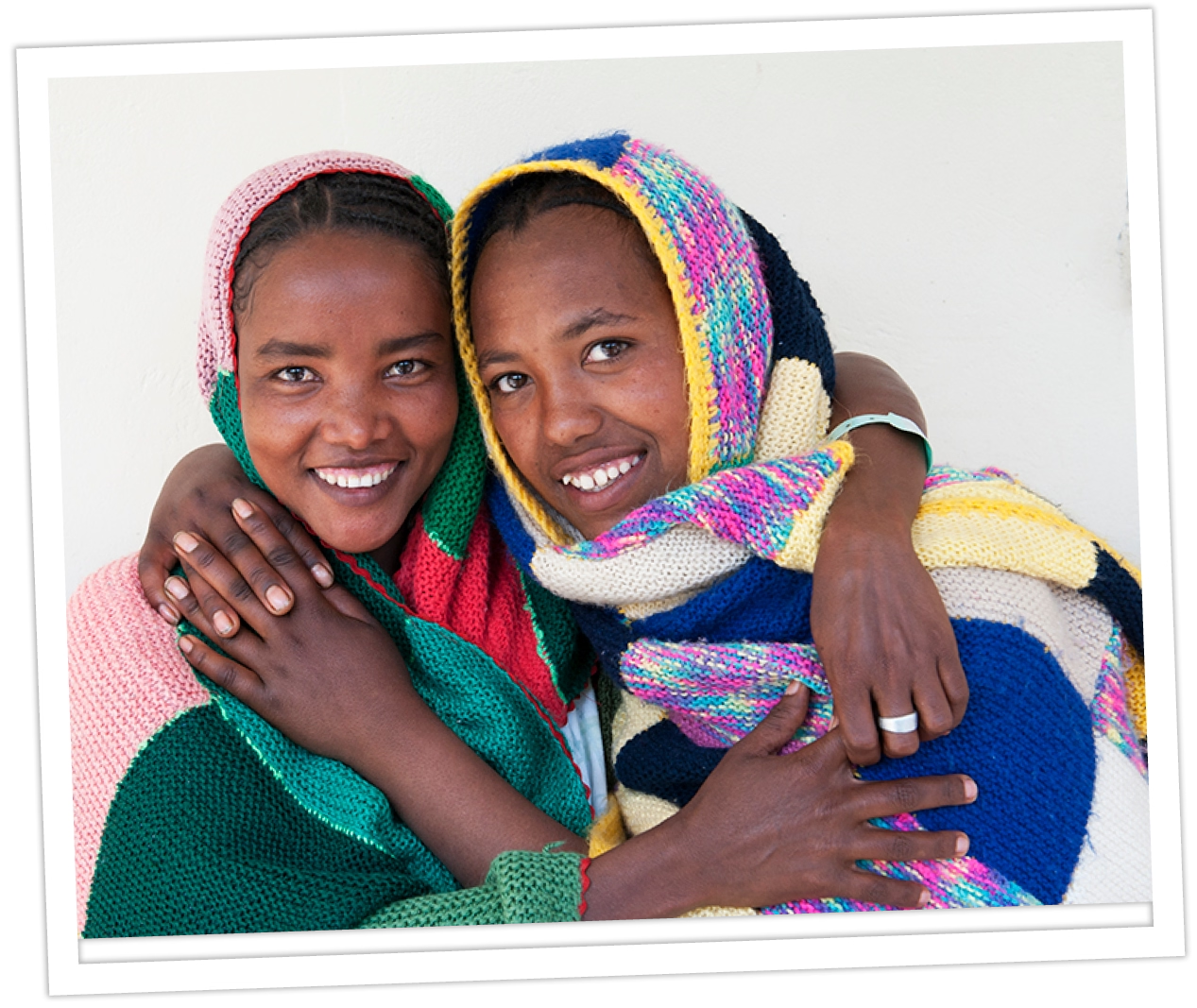
When a woman arrives at a Hamlin hospital, she is welcomed with compassion—not just by our staff, but by other patients who have endured similar pain. For the first time in years, she can connect, speak freely, and begin to rebuild her sense of self in the company of others who understand.
Dr Catherine Hamlin explained: “The patients have a social life together. We see them talking and once they start to gossip with each other and find a group that speaks their own language, they feel at home, they feel they’re not being ostracised from their society. They’re loved and they feel welcome. So this is where the healing process starts, of the mind, and this is very important.”
Mamitu and Catherine: a life-changing friendship
Few friendships embody Hamlin’s values more than the extraordinary bond between Mamitu Gashe and Dr Catherine Hamlin.
Mamitu arrived at the Addis Ababa Fistula Hospital in 1962 as a patient at just 14 years old, suffering from severe childbirth injuries. She describes this time: "If you have no leg, you can go with a crutch. If you are blind, there is somebody to help you around. For fistula, this is worse. Family, father, brother, mum, they can’t help. I would be ashamed, because when I got up, there might be a smell, I might be leaking and my clothes soaked. I wanted to be alone.”
Over time, Mamitu went from patient to caregiver, from theatre assistant to world-renowned surgeon. Trained by Catherine and Reg Hamlin, she is now one of the most respected fistula surgeons in the world.
But what Catherine gave Mamitu was more than medical treatment—it was belief, purpose and friendship. And Mamitu paid it forward: training a generation of surgeons and helping thousands of women reclaim their lives.
“I see Catherine as the sun who lit up Mamitu when she was so alone, and then Mamitu shone so brightly herself as a truly extraordinary woman,” says Tesfaye Mamo, the former CEO of Hamlin Fistula Ethiopia
A community of women
Today, the bonds formed at Hamlin hospitals are part of what makes our work so special.
Dr Betelhem, a general practitioner at Hamlin’s Addis Ababa hospital, observes: “Despite their diverse backgrounds, you see women interacting, helping each other, and sharing their experiences. It uplifts their hopes. It’s one of the beautiful things about working in an environment that feels like family.”
On this International Day of Friendship, we honour these moments of connection—the smiles, the shared stories, the silent understanding—and the profound healing they bring.
Because at Hamlin, friendship is more than comfort. It’s part of the cure.


Catherine Hamlin Fistula Foundation acknowledges the Traditional Owners and Elders past, present and emerging throughout Australia and the Gadigal people of the Eora Nation, the Traditional Owners of the land and waterways on which our Australian office is situated. We acknowledge the many ethnic groups in Ethiopia and their ancestral and cultural connection to the land where our work is undertaken.