International Literacy Day: empowering women in Ethiopia
August 31, 2026
On International Literacy Day, we are reminded that literacy is not only about reading and writing — it is also about dignity, empowerment, and opportunity. For women recovering from obstetric fistula, education can be a vital step towards healing and rebuilding their lives.
Hawwa, once a Hamlin patient and now an educator at the Hamlin’s Harar Fistula Hospital, knows this only too well. Literacy and learning opened a new chapter in her life, transforming despair into hope.
This is her story.
Living with obstetric fistula
My name is Hawwa and I come from Ethiopia’s Oromia Region. After I was married , I soon fell pregnant. But my first pregnancy ended in tragedy: obstetric fistula.
After three days of labour at home, my in-laws took me to a health centre. The staff mistakenly told us it wasn’t time to deliver, and I was sent home. There, I eventually gave birth — but I lost my baby.
After the birth, I was left unable to control my bladder and bowels, and partially paralysed. I couldn’t move my legs, which was both physically and emotionally devastating.
Living with fistula was isolating and humiliating. The fear of leaking in public filled me with shame, and I avoided people, believing I was unworthy of love or companionship.
Soon after, my husband abandoned me and remarried, compounding my feelings of rejection and despair. I had lost my health, my baby, and the person I thought would stand beside me. I felt purposeless, as if my life had lost all meaning.

I felt trapped in my own body, unable to care for myself or participate in daily life.
- Hawwa, former fistula patient
The long search for a cure
I learned about Hamlin from a former patient. To reach the Addis Ababa Fistula Hospital, I sold my goats — the last remnants of my marriage.
My first trip was in 2008, but surgery was unsuccessful due to complications. I returned in 2009 for further procedures, ultimately requiring diversion surgery. I then moved to Desta Mender, Hamlin’s recovery and rehabilitation centre for women needing longer-term care.
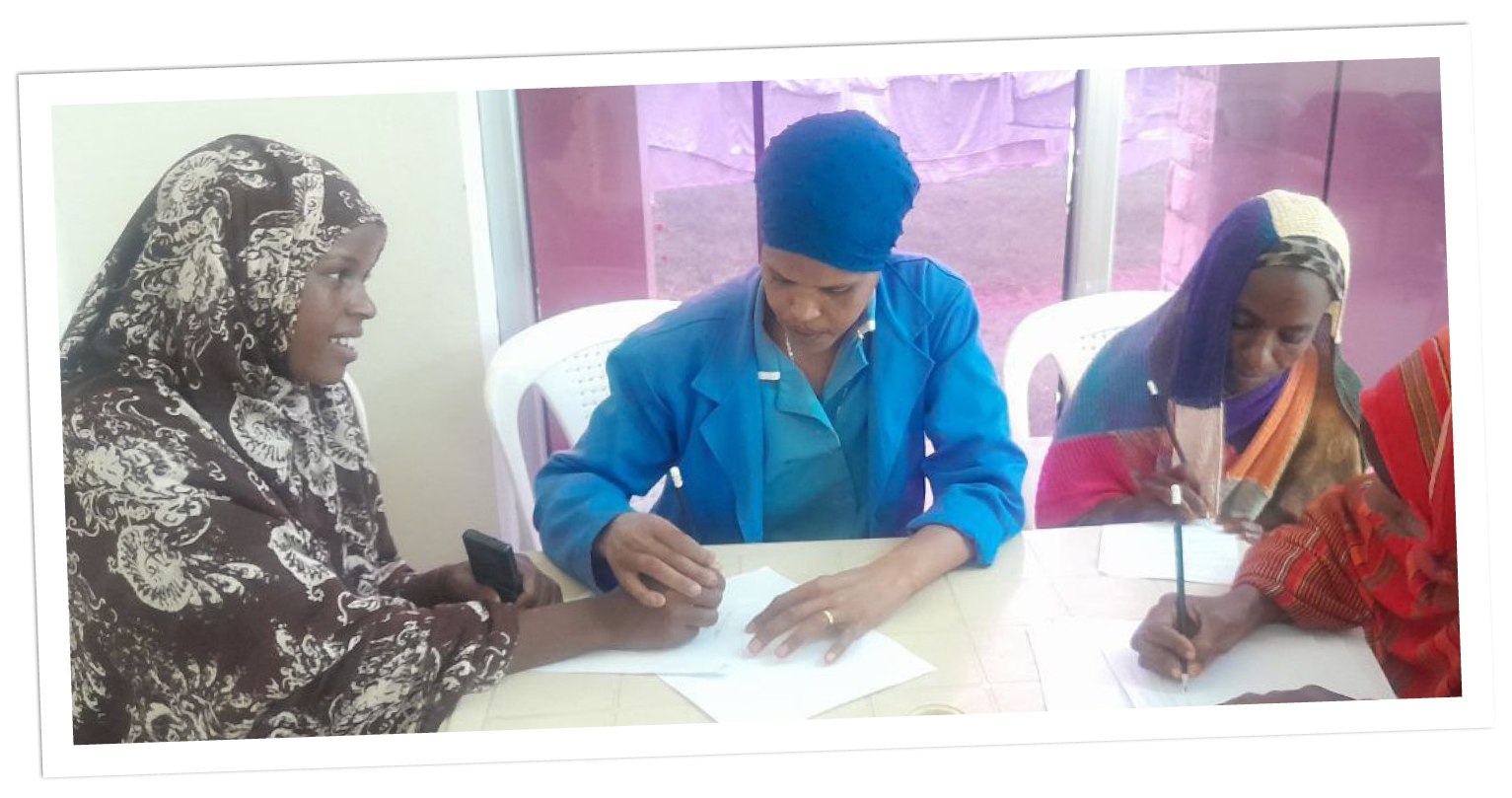
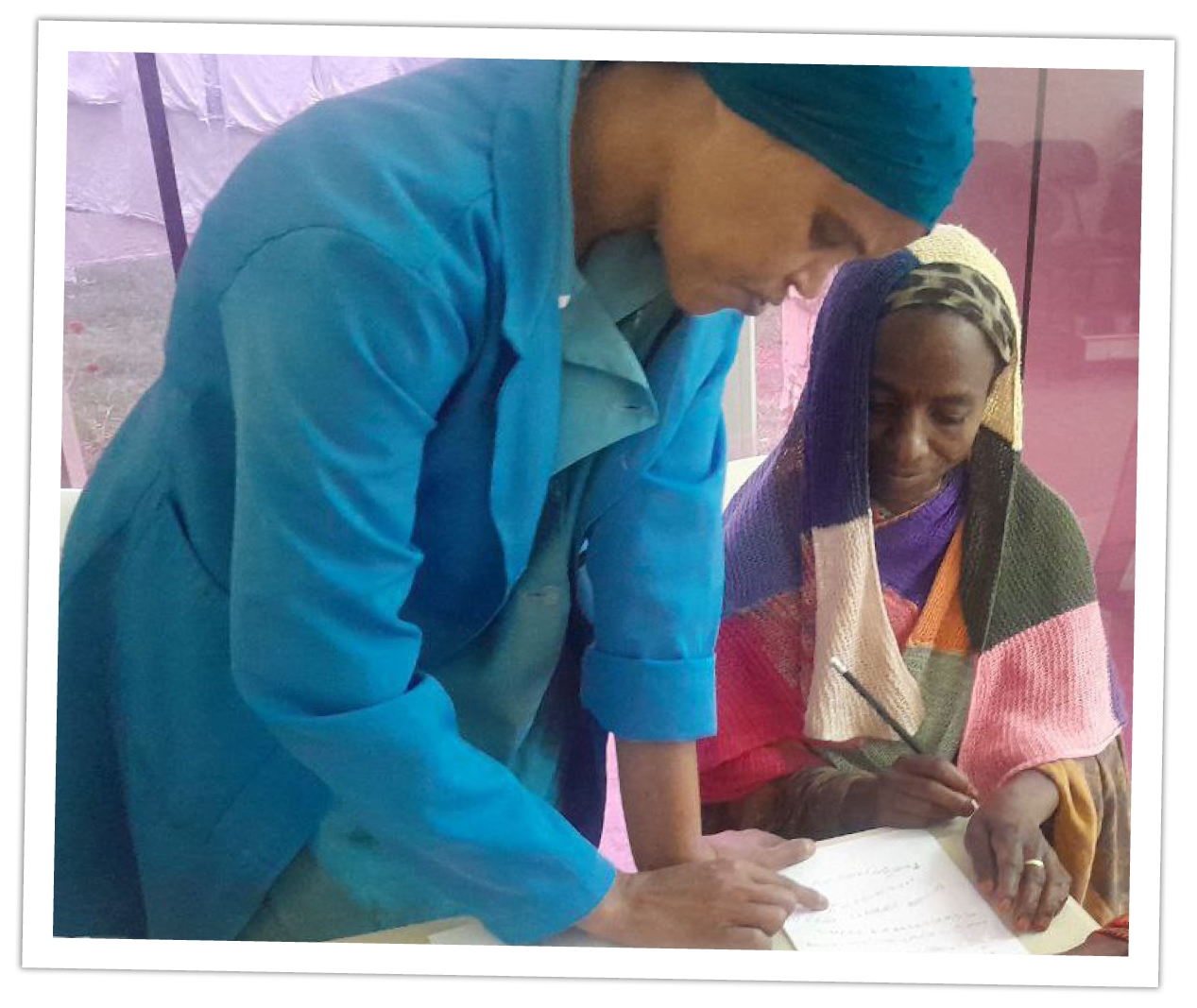
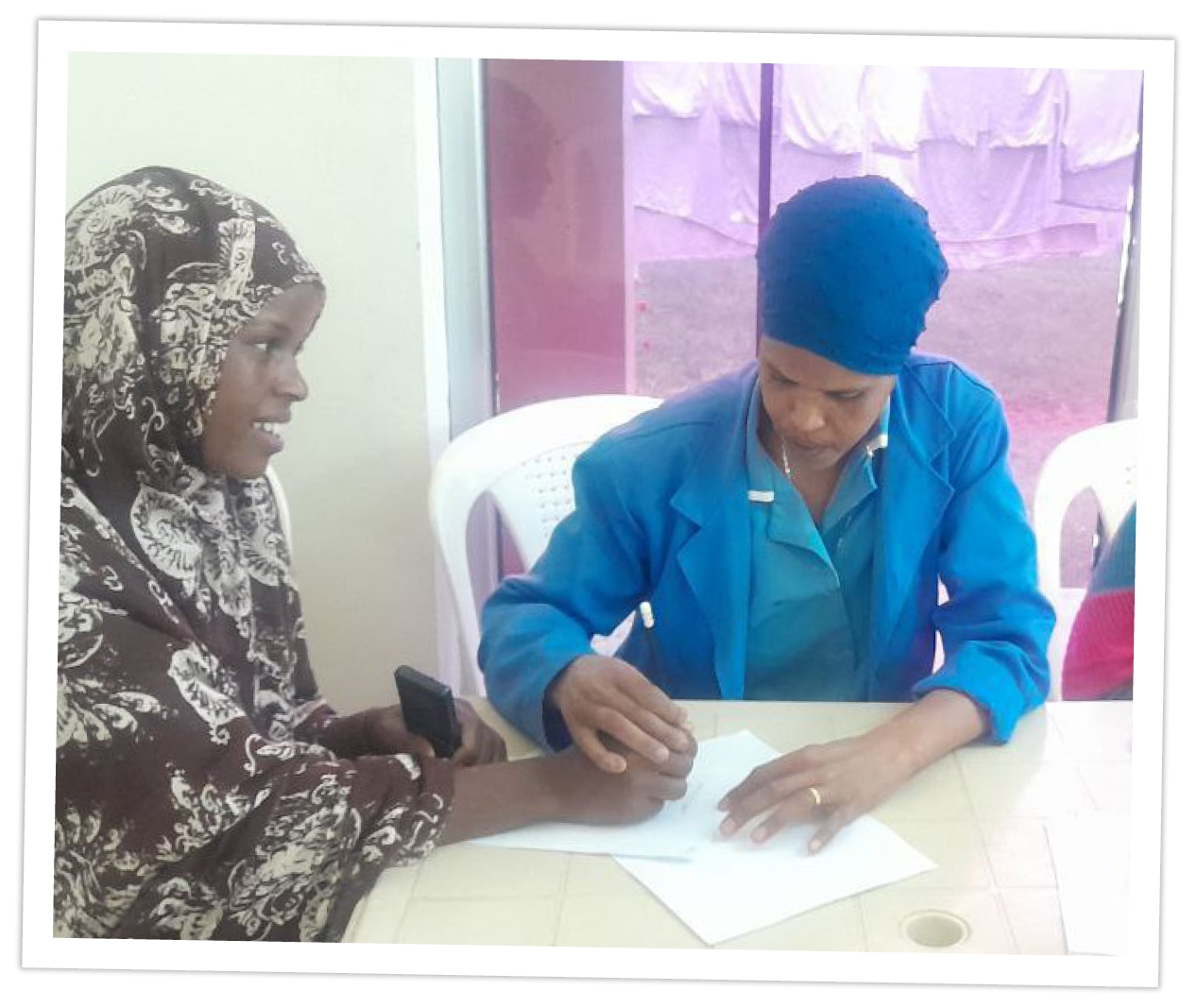
There, I received counselling, literacy and numeracy classes, and vocational training. I learnt animal husbandry, studied Amharic and improved my reading, and also developed new life skills. These skills set me on a new path: I was chosen to become an educator for other patients at Hamlin’s Harar Fistula Hospital.
Helping women recover independence
Once a patient myself, I now dedicate my life to supporting others. I understand their trauma and walk beside them as they rebuild their confidence. I encourage women to rediscover their purpose and believe in a better future. Thanks to Hamlin Fistula Ethiopia, many of us can begin again.
My education has also continued — I am now a first year Accounting student, studying for my diploma.
Today, I live a happy life and remain committed to helping women with fistula and other birth-related injuries. Fistula patients often face isolation and shame, but at Hamlin’s Harar Fistula Hospital, we are more than colleagues — we are family.


Catherine Hamlin Fistula Foundation acknowledges the Traditional Owners and Elders past, present and emerging throughout Australia and the Gadigal people of the Eora Nation, the Traditional Owners of the land and waterways on which our Australian office is situated. We acknowledge the many ethnic groups in Ethiopia and their ancestral and cultural connection to the land where our work is undertaken.