World Humanitarian Day
August 10, 2026
In 2003, a bomb attack in Baghdad, Iraq resulted in the loss of 22 humanitarian workers. Five years on, the United Nations General Assembly designated 19 August as World Humanitarian Day.
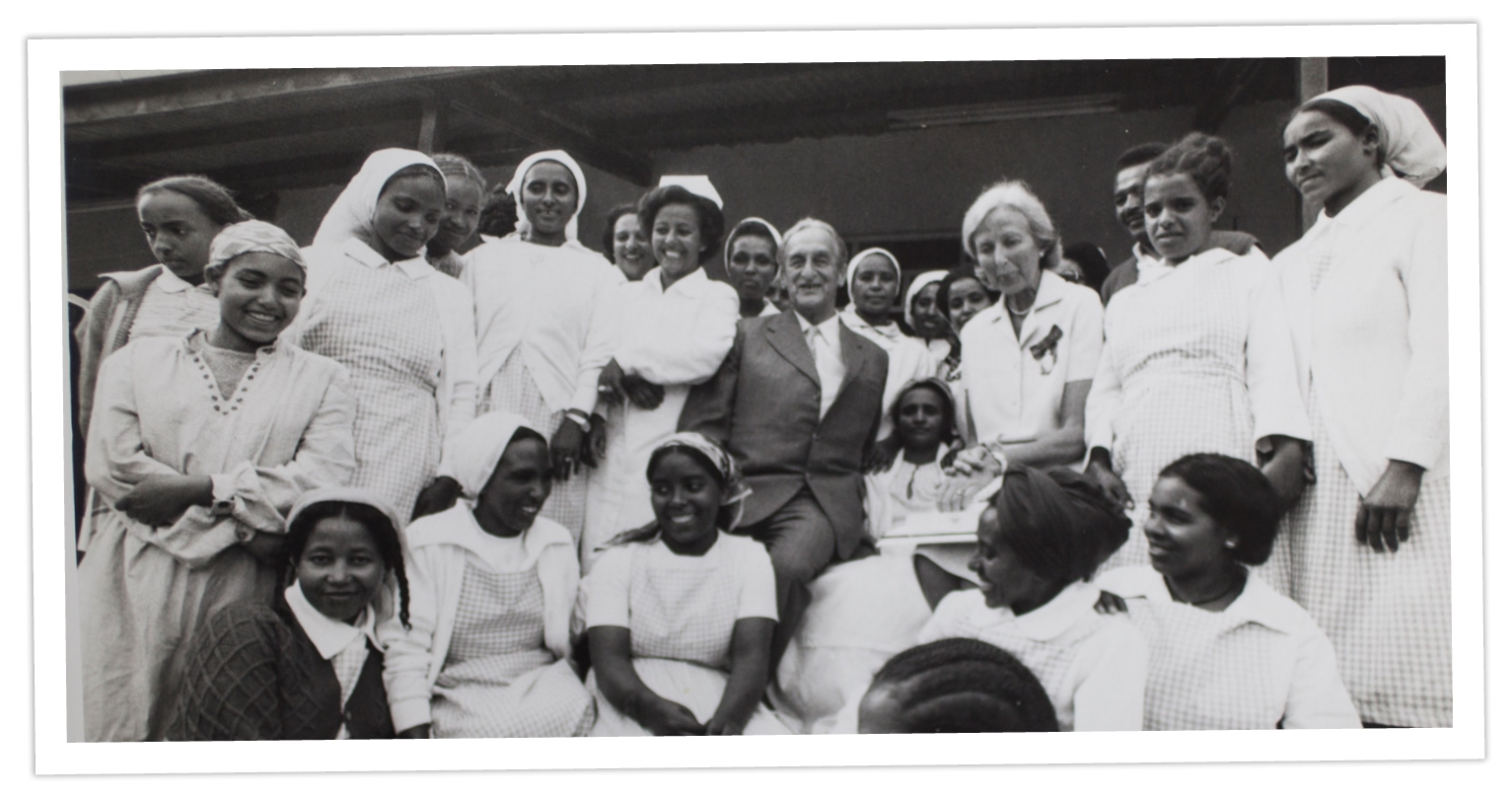
International Humanitarian Day provides an opportunity to highlight the incredible commitment, determination, and compassion of people who dedicate their lives to helping others. Individuals like Doctors Catherine and Reg Hamlin who, upon arriving in Ethiopia more than six decades ago, recognised the urgent health issue facing women in Ethiopia: obstetric fistula.
Arriving in Ethiopia
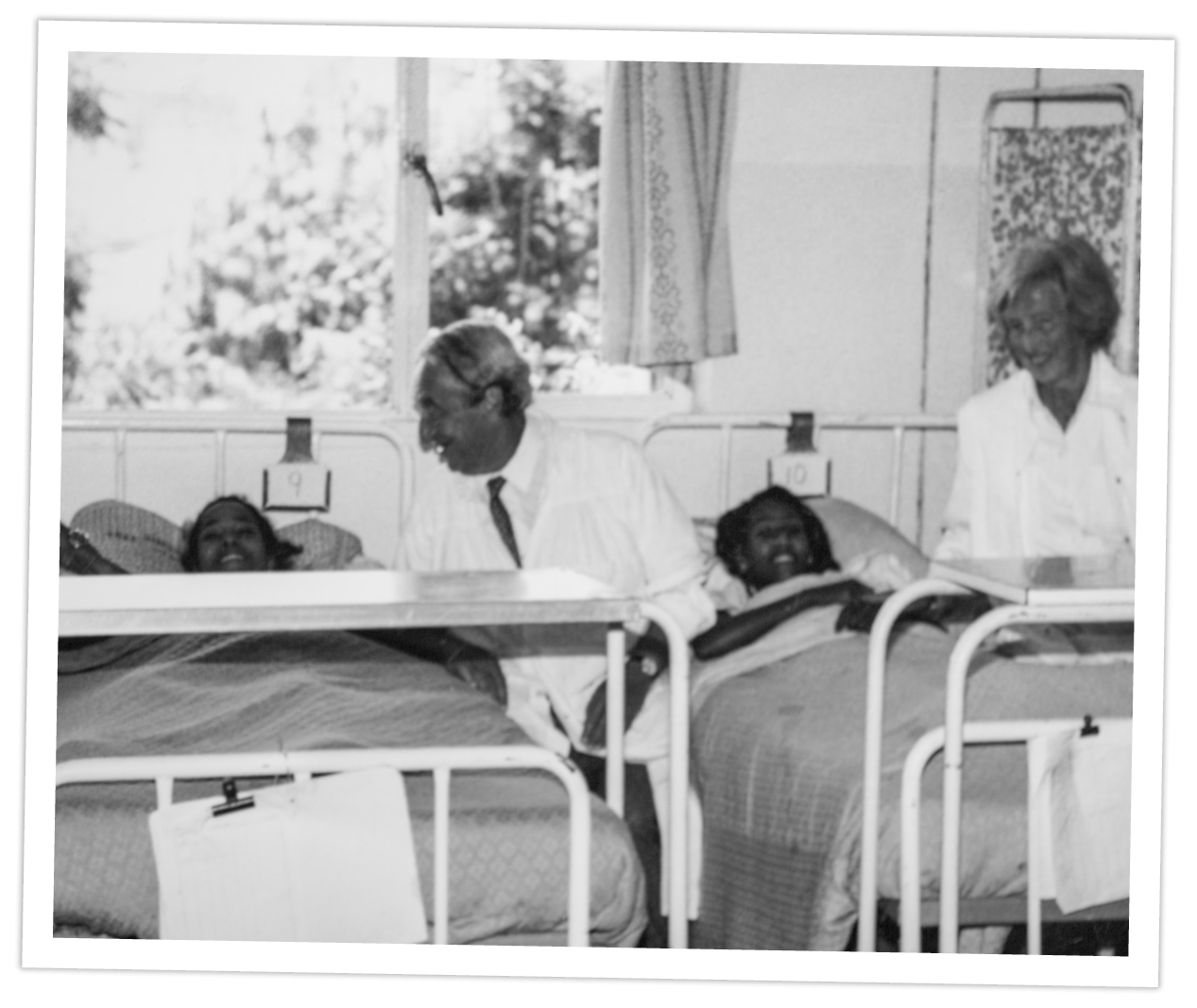
The Hamlins were warned by a fellow gynaecologist that ‘the fistula patients will break your hearts’. And they did. Initially working from the Princess Tsehai Memorial Hospital in Addis Ababa, Catherine and Reg refined the surgical techniques to treat obstetric fistula, and within their first three years had operated on 300 patients. As news of a cure spread, many more patients came seeking treatment.
To cater for this demand, Catherine and Reg raised funds for the first of their six dedicated fistula hospitals, opening the Addis Adaba Fistula Hospital in 1974.
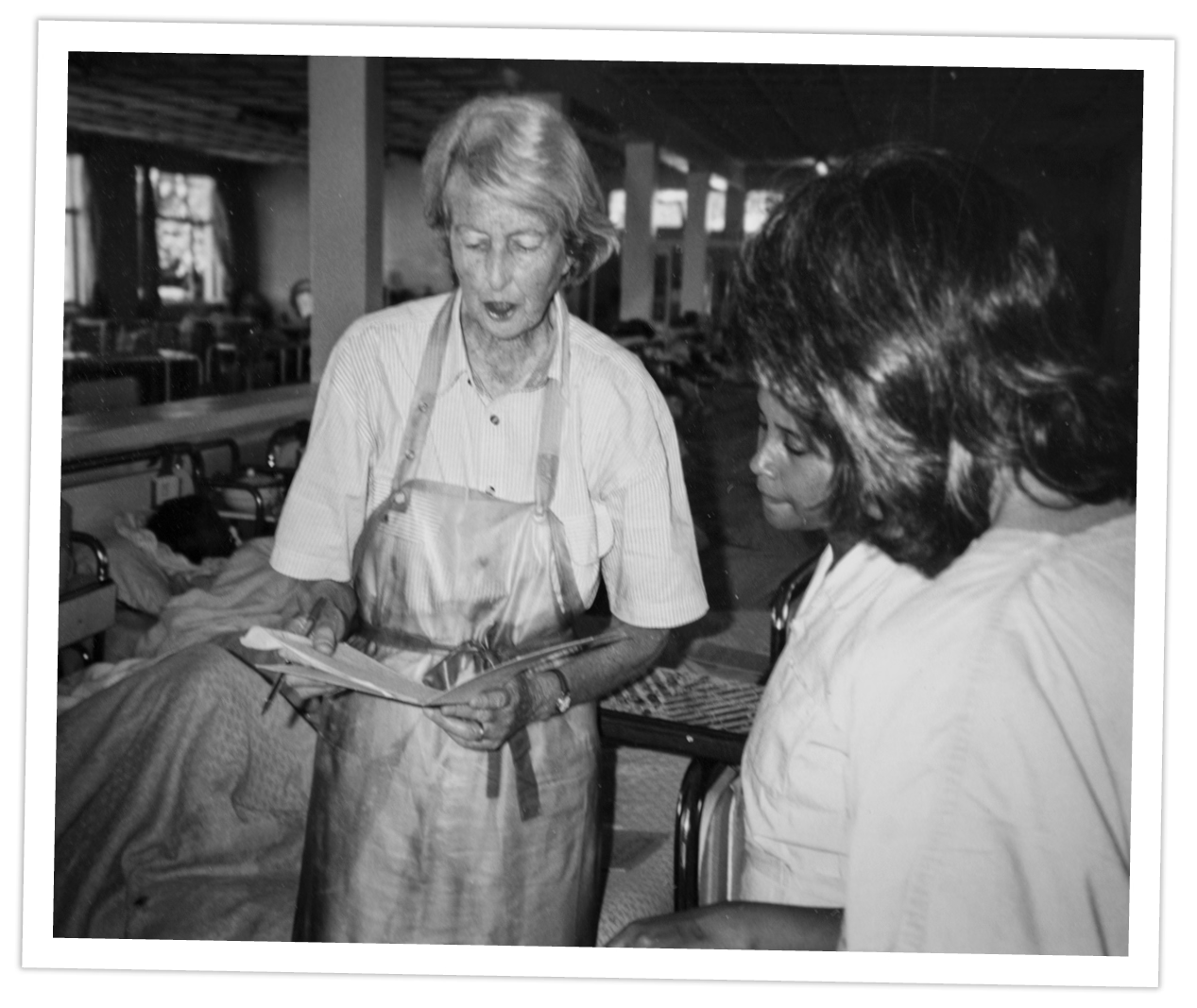

My dream is for there to be a midwife in every village of Ethiopia.
- Doctor Catherine Hamlin AC
Undeterred by challenges
Today, the Hamlin’s legacy also includes the Desta Mender Rehabilitation and Reintegration Centre, providing care for patients with long-term needs, and the Hamlin College of Midwives, which is training a new generation of midwives to provide maternal expertise in Ethiopia’s rural districts, and prevent fistula from occurring.
During their time in Ethiopia, Catherine and Reg faced a range of challenges: accessing blood and plasma supplies, continuing their life-saving work at the hospital during the 1960 coup attempt, and finding ways to strengthen rural healthcare services for women.
More recently, the civil war in the Tigray region forced the shutdown of the Hamlin Mekele Fistula Hospital (below). On reopening, doctors faced an enormous backload of patients, as well as an urgent need to restock supplies and replace outdated medical equipment.
Recognition for their work
In 2017, the United Nations Association of Australia UNAA presented Dr Catherine with the Lifework Award, highlighting her dedication to restoring the health and dignity of women who have survived a horrendous and preventable childbirth injury, obstetric fistula.
The UNAA noted: “Together, with her husband, Reg, Dr Hamlin has dramatically transformed the maternal healthcare landscape for the women of Ethiopia.”
Today we celebrate the ongoing legacy of these dedicated Australian humanitarians and thank our many supporters whose generosity continues their vision: To eradicate fistula. Forever.


Catherine Hamlin Fistula Foundation acknowledges the Traditional Owners and Elders past, present and emerging throughout Australia and the Gadigal people of the Eora Nation, the Traditional Owners of the land and waterways on which our Australian office is situated. We acknowledge the many ethnic groups in Ethiopia and their ancestral and cultural connection to the land where our work is undertaken.