Impacts of Obstetric Fistula
Obstetric fistula is a complex childbirth injury with devastating and wide-ranging impacts for women. In Ethiopia, obstetric fistula causes untold physical, emotional and psychological pain to thousands of women.
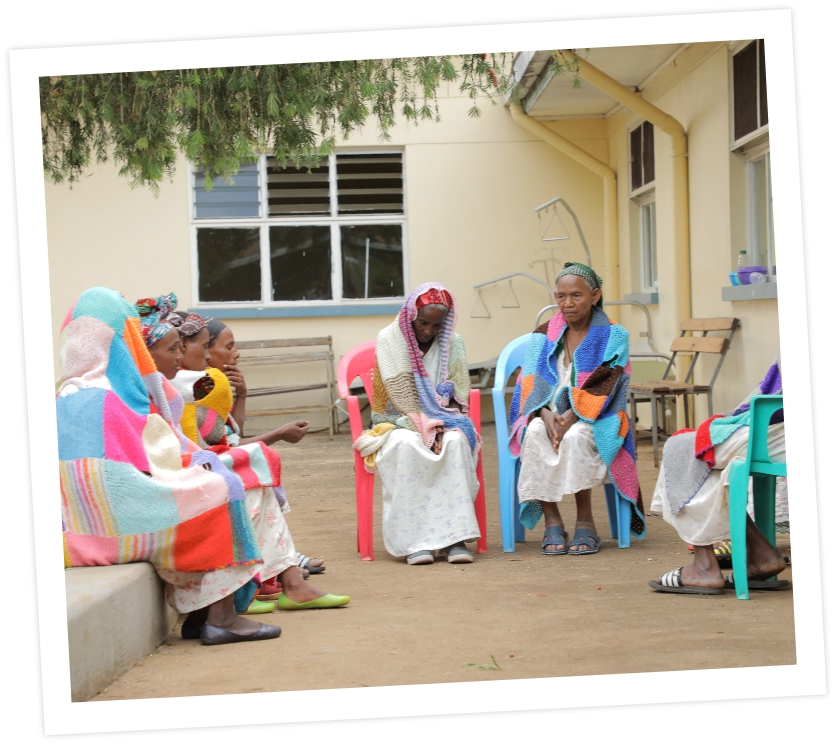
How does obstetric fistula impact a woman's life?
Although the condition is almost entirely preventable, it is still a huge public health issue. Without an understanding of the complication and its causes, women in Ethiopia are frequently blamed for their condition.
Obstetric fistula symptoms include urinary and/or fecal incontinence that can lead to severe infections and ulcerations of the vaginal tract. Some patients suffer from paralysis caused by nerve damage.
Survivors are often subject to severe social stigma due to their smell, perceptions of uncleanliness, a mistaken assumption of venereal disease and, in some cases, infertility.
Nearly all patients at the Addis Ababa Fistula Hospital in Ethiopia report psychological issues associated with their condition.
These terrible injuries leave women trapped in a life of pain, shame, and isolation.
Beyond the operating theatre
When a woman like Genet undergoes surgery for obstetric fistula, the impact extends far beyond the operating theatre.
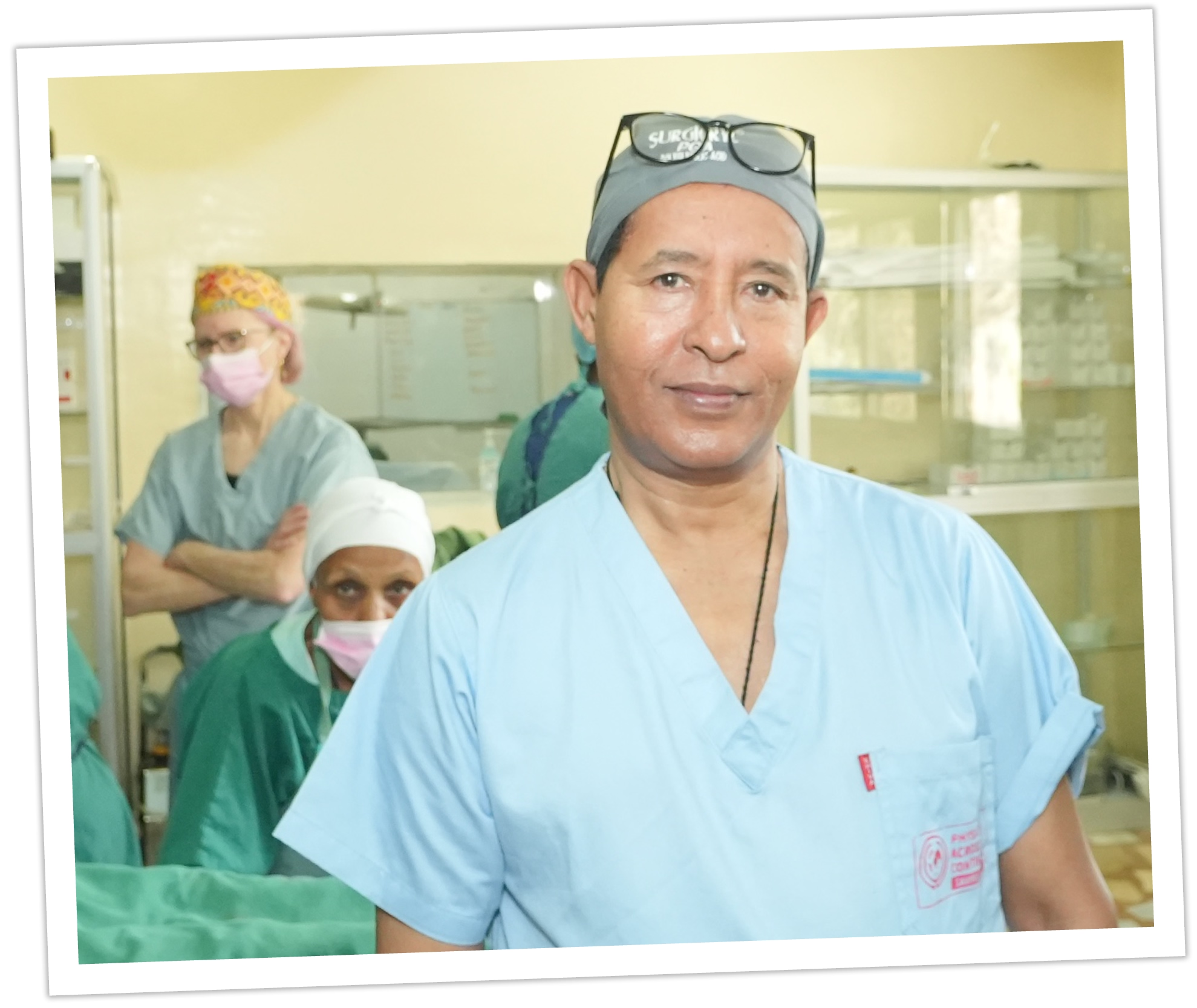
Dr Bitew Abebe explains how finding women with historical fistula injuries and connecting them to specialist treatment can restore far more than physical health — transforming families, communities and futures.
Learn more about obstetric fistula
What is obstetric fistula?
Obstetric fistula in Ethiopia


