Obstetric Fistula in Ethiopia
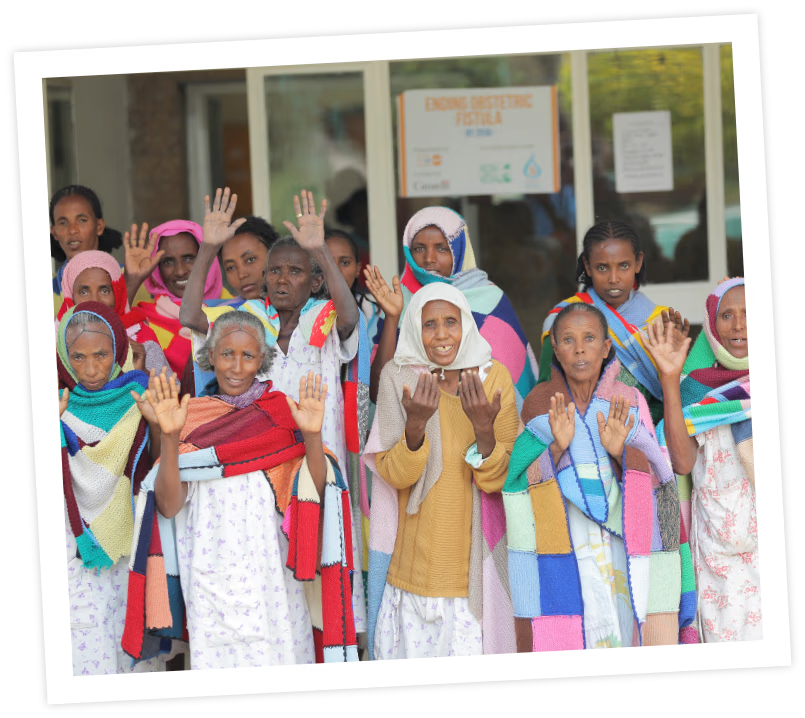
In Ethiopia, nearly 80% of people live in rural areas. Half of all Ethiopian women give birth at home with no medical supervision, often leading to complications resulting in horrific childbirth injuries like obstetric fistula.
22,000 women living with obstetric fistula

Up to 1,000 new cases of fistula every year

At the current rate of progress, it could take more than five decades to find and treat every case of obstetric fistula in Ethiopia.
Through Project Zero, Hamlin Fistula Ethiopia is determined to accelerate the rate of change for the women of Ethiopia.
Going from door-to-door, woreda-by-woreda, our goal is to find and treat every woman in Ethiopia living with obstetric fistula and do all in our power to prevent child birth injuries in the future.
At the same time, we will strengthen maternal healthcare services within Ethiopia, to reduce the incidence of birth injuries, and our national education campaign will give women the tools and knowledge they need to give birth safely.
Project Zero
Our goal is to eradicate fistula. Forever.
Find out more about obstetric fistula
What is obstetric fistula?
Impacts of obstetric fistula


