Project Zero
Project Zero is a groundbreaking programme that is accelerating the rate of change for Ethiopian women. It will achieve Dr. Catherine Hamlin’s vision to eradicate obstetric fistula in Ethiopia.
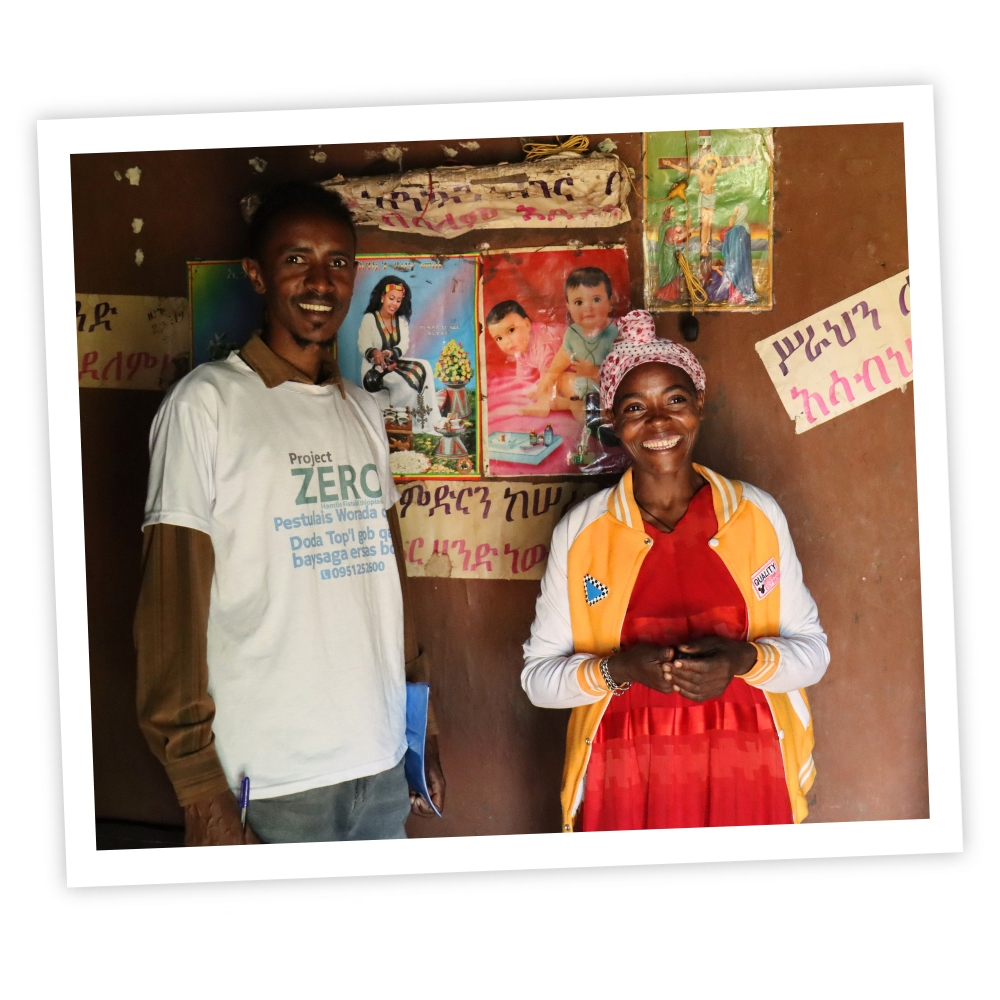
The road map for a fistula-free Ethiopia
Going from door-to-door, Woreda-by-Woreda, our goal is to find and treat every woman in Ethiopia living with obstetric fistula and do all in our power to prevent child birth injuries in the future.
An estimated 22,000 women in Ethiopia are living with obstetric fistula, with an additional 1,000 cases occurring every year. It is estimated that it could take more than five decades to find and treat every case.
Hamlin Fistula Ethiopia is determined to accelerate the rate of change for the women of Ethiopia.
In a country of more than 135 million people, most of whom live in rural areas, finding and treating women living with obstetric fistula has always been a significant challenge. Project Zero is an ambitious yet achievable programme that adopts a systematic approach to treatment and prevention:
- Using a woreda (district)-by-woreda approach, Hamlin-trained teams visit households in rural and urban areas to find women living with obstetric fistula and other childbirth injuries, and connect them to the care and treatment they need.
- At the same time, Project Zero strengthens maternal healthcare services across Ethiopia to help reduce the incidence of birth injuries.
- A national education campaign equips women, families and communities with the knowledge they need to support safer childbirth.
Chasing Zero is the call to accelerate this work — and help turn an ambitious national strategy into lasting change for women across Ethiopia.
With the right investment, Project Zero can reach more communities, find more women still waiting for treatment, and help prevent future generations from suffering a devastating but treatable childbirth injury.
Learn how you can help bring Dr Catherine Hamlin’s vision of a fistula-free Ethiopia within reach.
Found through Project Zero
For 17 years, Ketinin lived with the devastating consequences of a childbirth injury called obstetric fistula, unaware that treatment was available. When discovered by the Project Zero team in Semen Bench woreda, her journey to healing finally began.
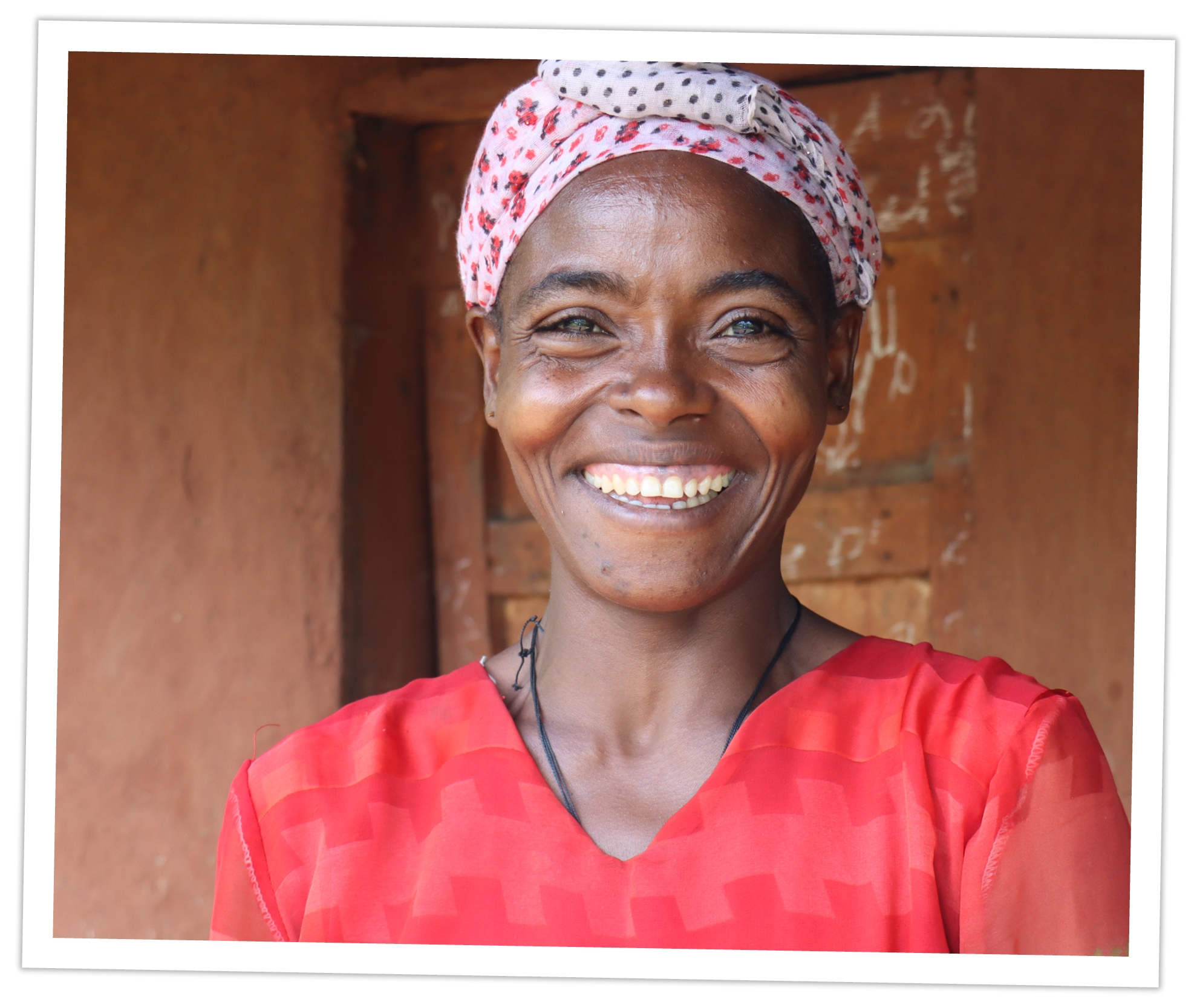
For too long, fistula has remained a silent crisis. Many women are still hidden in their communities, living with a preventable and treatable injury without access to the care they need.
Through Project Zero, we are taking a systematic, woreda-by-woreda approach to identifying women living with fistula, strengthening access to safer maternal healthcare, and educating communities about safe childbirth and the treatment available to women with birth injuries.
- Dr Solomon Abebe, General Manager, Hamlin Fistula Ethiopia
Project Zero: a three-part approach
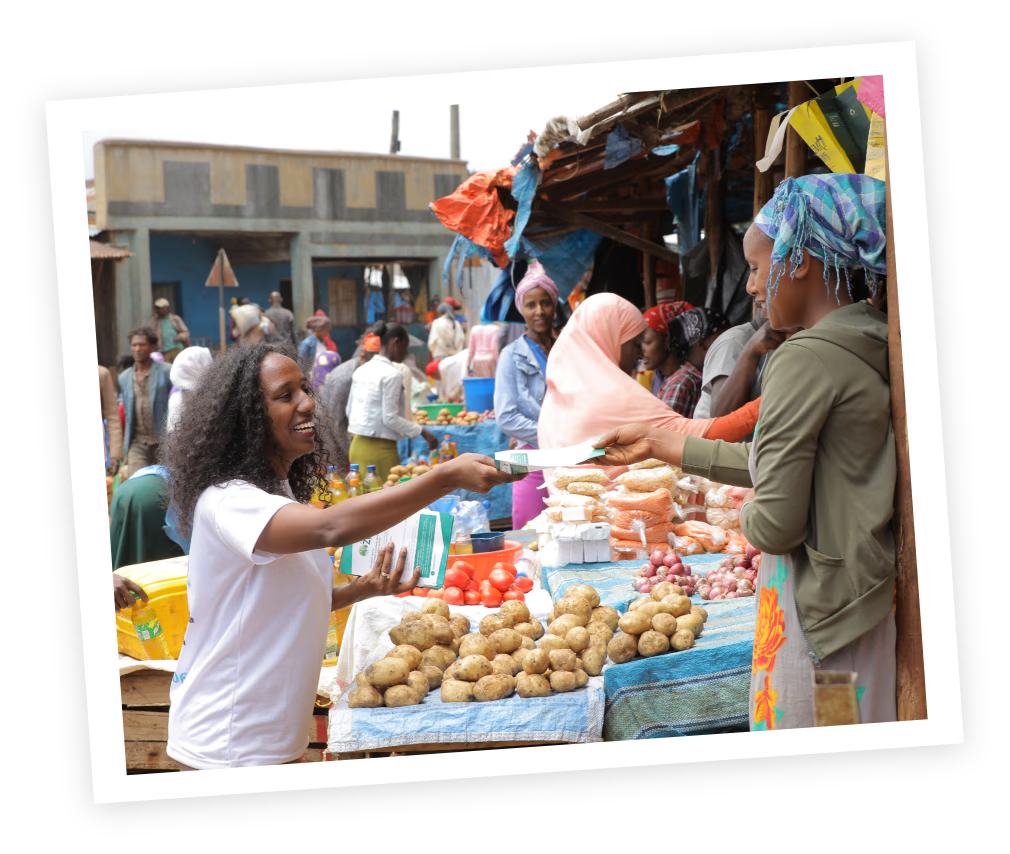

Identification
Hamlin-trained health workers and patient identification officers will undertake community outreach and household surveys in all 1,000 Woredas (or districts) of Ethiopia to identify women living with fistula and transfer them for immediate treatment at one of Hamlin Fistula Ethiopia’s six hospitals. Women with long-term injuries will also be able to access the rehabilitation and reintegration services offered at Desta Mender.

Prevention
To improve maternal healthcare and outcomes for women, Hamlin Fistula Ethiopia will expand its prevention programme, with the goal of establishing a midwifery clinic in every Woreda, staffed by Hamlin-trained midwives. The Hamlin College of Midwives curriculum meets the stringent standards of the International Confederation of Midwives, and the College will play an important role in training new midwives for Woredas around the country.
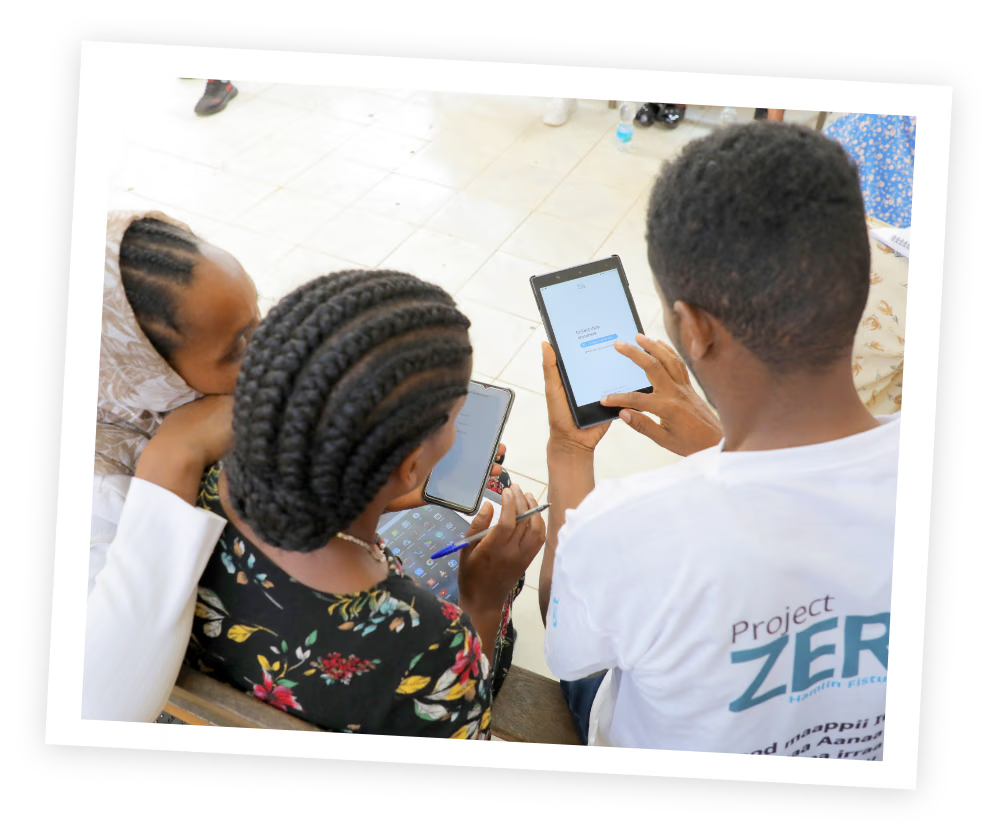
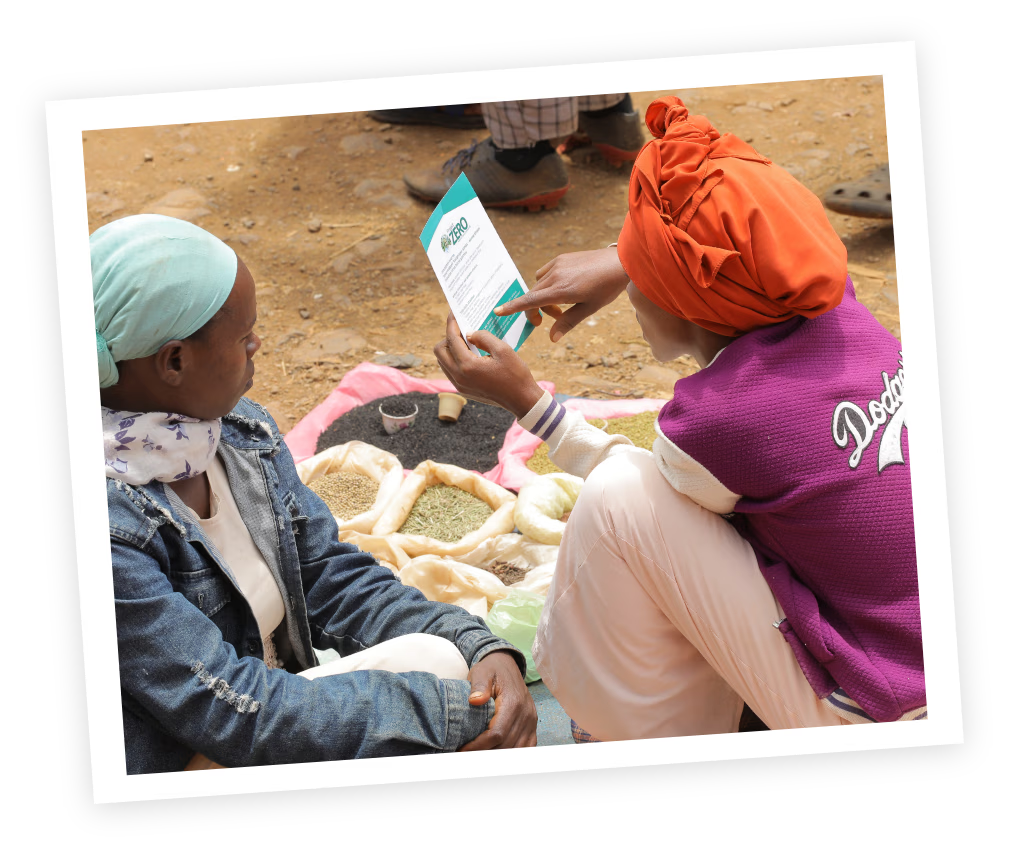

Education
A country-wide community education campaign will raise awareness on safe delivery methods, obstetric fistula and other birth injuries, and the treatment options available to women. We will highlight the importance of seeking professional medical care during pregnancy, labour, and after birth. Training will also be given to existing healthcare professionals, so that they have a deeper understanding of birth injuries and can advise their patients of treatment options.
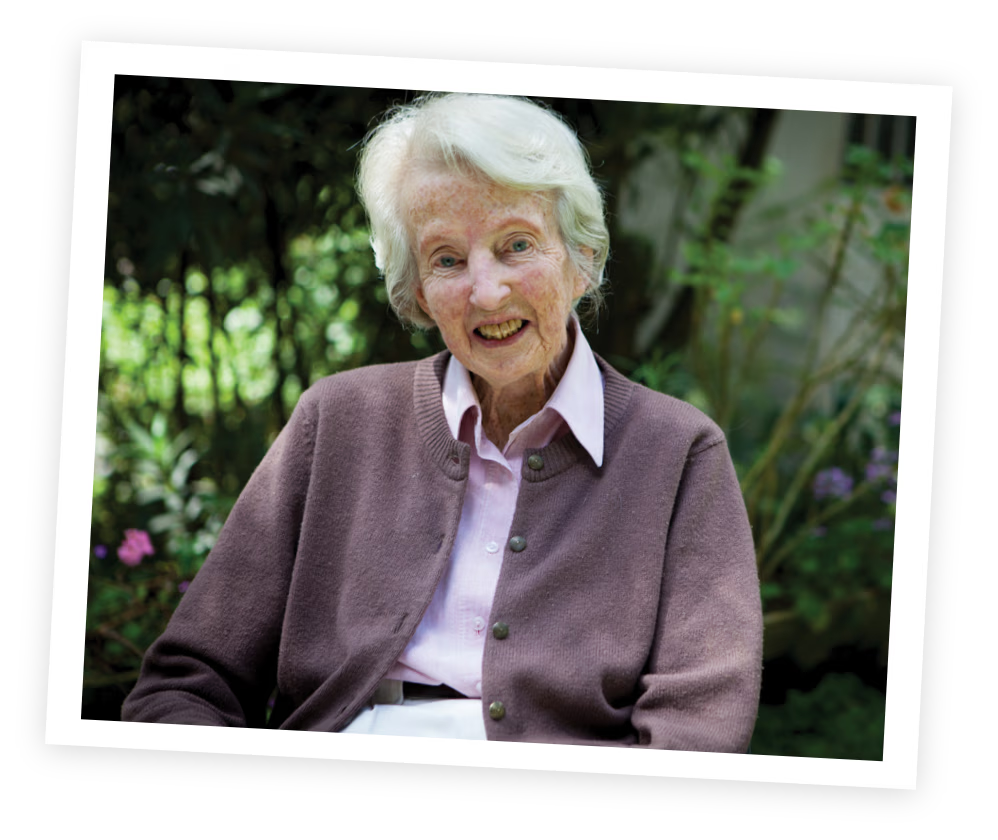

We have to eradicate Ethiopia of this awful thing that’s happening to women: suffering, untold suffering, in the countryside. I leave this with you to do in the future, to carry on.
- Dr Catherine Hamlin
Find out more about what we do
Obstetric Fistula Stories
Treatment


