Project Zero milestone brings safer motherhood closer in Fedis woreda
February 11, 2026
Hamlin teams have successfully completed Phase I of Project Zero in Fedis Woreda , strengthening maternal health services and identifying women in need of life-changing fistula treatment.
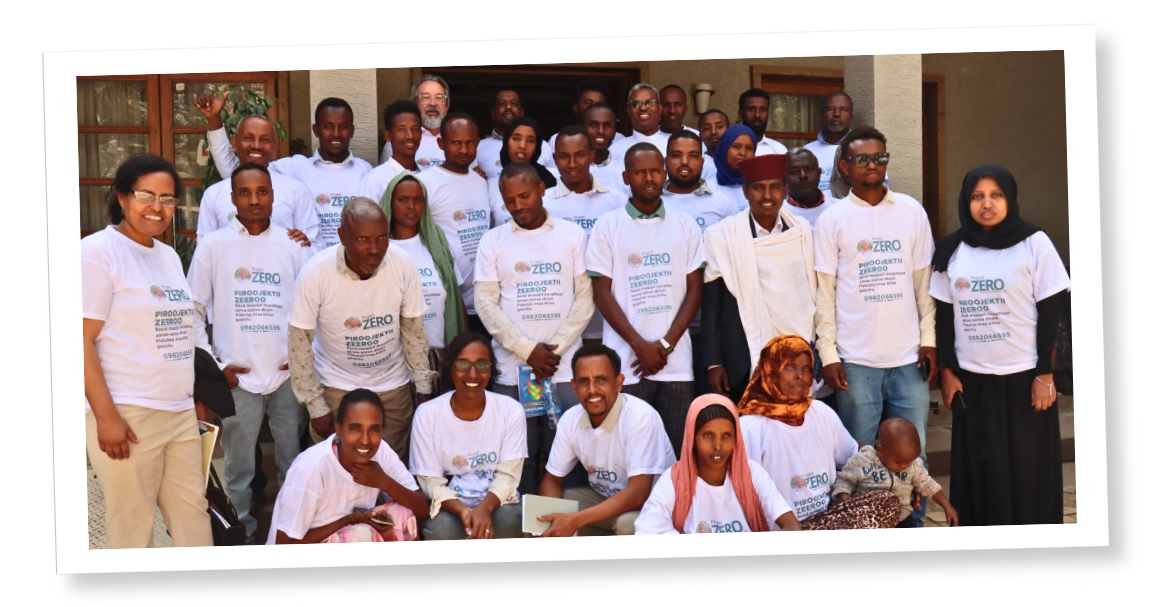
In a country of more than 135 million people, most living in rural areas, identifying and treating women living with obstetric fistula remains a significant challenge.
Launched by Hamlin Fistula Ethiopia in 2023, Project Zero is an ambitious yet achievable initiative that takes a systematic approach to treatment and prevention—working to identify, treat and prevent obstetric fistula across every one of the 1,000 woredas (districts) in Ethiopia.
Phase I completed in Fedis Woreda
Project Zero is structured as a four-year intervention moving from intensive local implementation to sustained support and, ultimately, full handover to local health systems. In Fedis Woreda, the fourth Project Zero implementation site, Phase I has now been successfully completed.
Planning, coordination and local leadership
Working in close collaboration with the Fedis Woreda Health Office and local stakeholders, Hamlin Fistula Ethiopia established a project office and steering group to guide coordination, oversight and shared decision-making throughout implementation. Data collection tools, training resources and awareness materials were adapted to the local context, supporting consistent delivery and documentation across the woreda.
Building community awareness and reducing stigma
Raising awareness of obstetric fistula and maternal health is central to Phase I. Community education activities were conducted in markets, schools and public meetings, alongside engagement with religious leaders, community leaders and healthcare providers. Information was shared through loudspeaker announcements in Afan Oromo and printed materials such as leaflets, banners and T-shirts. Hamlin teams also carried out door-to-door outreach to reach women with limited mobility and strengthen trust between communities and the health system.
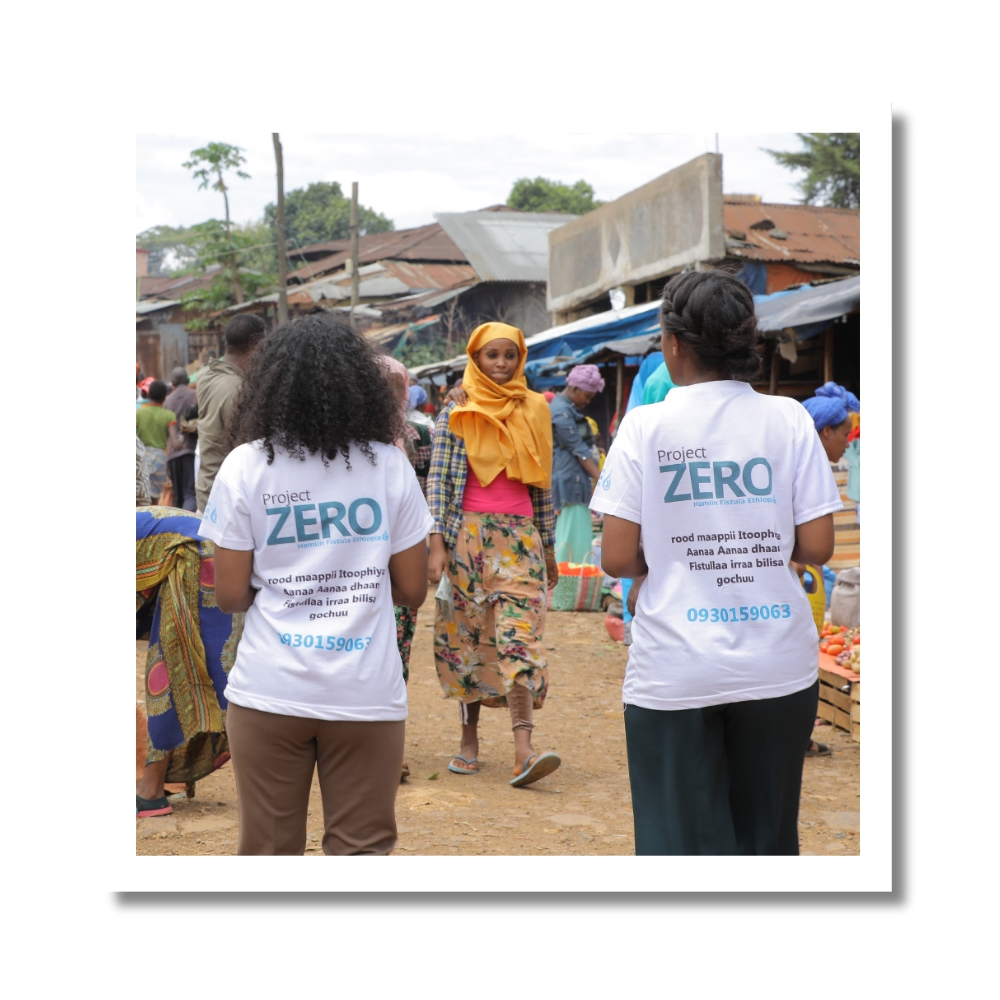
Together, these efforts help normalise discussion of obstetric fistula and other childbirth injuries, reduce stigma and encourage women to seek care.
Household screening and referral to care
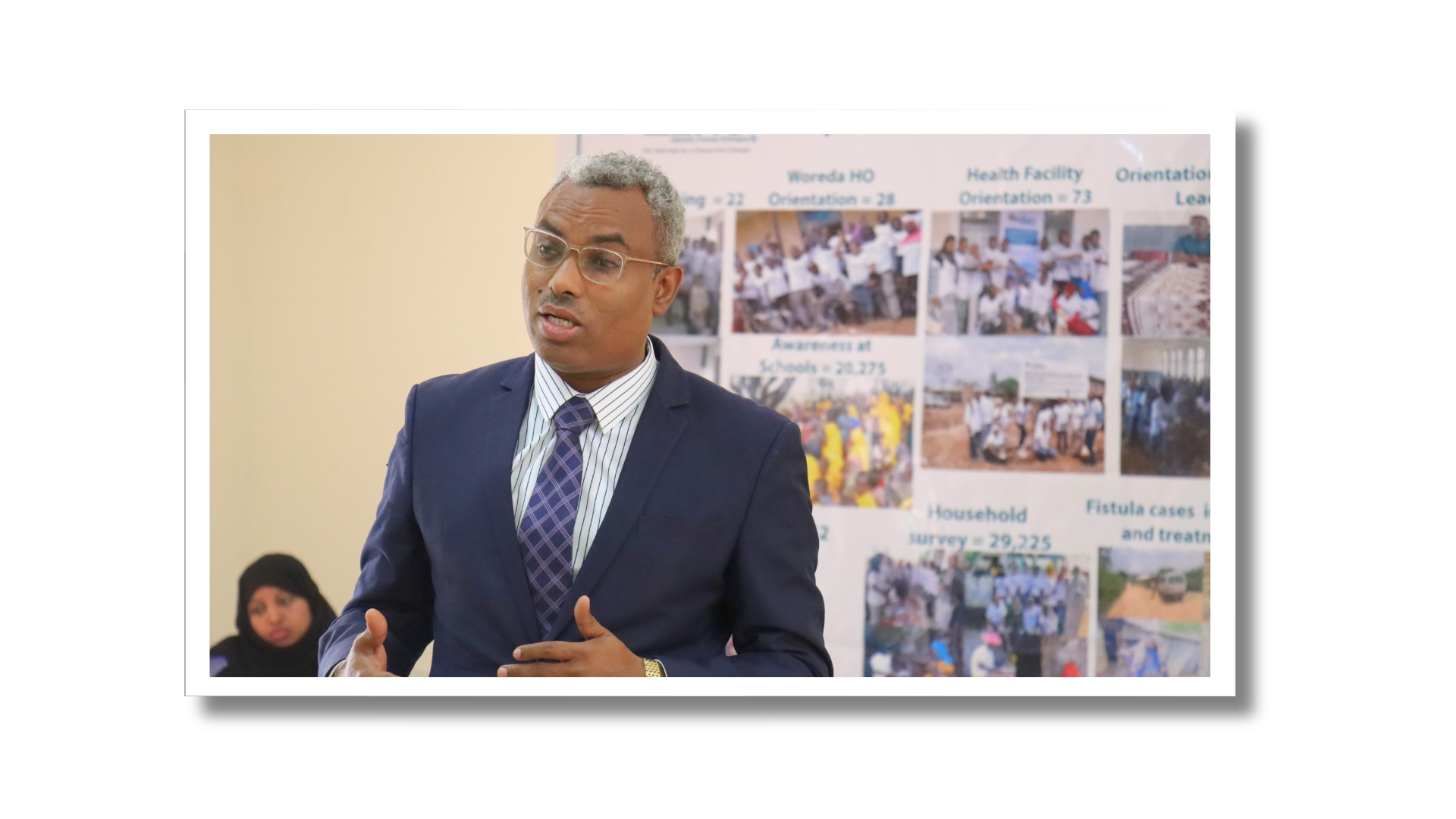
Trained health staff conducted 29,225 household visits across 21 kebeles, interviewing 585 women of reproductive age. By the end of Phase I:
- awareness of obstetric fistula had risen from 26% to 81%,
- 375 women had been newly linked to antenatal care,
- 12 women living with obstetric fistula had been referred for treatment, and
- 144 women with advanced stage pelvic organ prolapse had also been identified and referred.
These outcomes demonstrate the effectiveness of systematic, community-based screening in reaching previously hidden patients and strengthening pathways to care.
Strengthening maternal and newborn health services
Phase I also addressed service delivery gaps, including workforce shortages, infrastructure limitations and infection-prevention needs. Facilities were cleaned and reorganised to improve infection control, newborn care corners were established, and delivery and postnatal care areas were separated.
Health workers received ongoing mentorship in clinical skills, documentation and respectful maternity care, while referral mechanisms were strengthened and essential medical equipment provided. Together, these improvements enhance the quality, safety and continuity of maternal and newborn care.
Monitoring quality and improving standards
Facility performance was monitored using the Hamlin Standards Checklist in partnership with local health authorities. Each assessment included structured gap analysis, feedback to woreda officials and the development of agreed improvement plans—supporting continuous quality improvement across the health system.
Next steps in Fedis Woreda
Learning from Phase I will guide the next stage of implementation. In partnership with government stakeholders, Hamlin Fistula Ethiopia teams will focus on strengthening health facility infrastructure—particularly reliable water supply—while also recruiting additional midwives to meet growing demand for skilled maternal and neonatal care.
Clinical capacity will continue to expand through targeted training, including ultrasound and refresher courses, alongside the provision of essential medical equipment and sustained mentorship for frontline health workers.
Efforts will also ensure reliable emergency referral through regular ambulance maintenance and support the establishment of maternal waiting homes, providing safe accommodation for women who live far from health facilities as they approach delivery.
Together, these priorities will help consolidate progress and ensure more women can access safe, respectful maternity care close to home.
Looking ahead: sustaining progress for women and families
Phase I of Project Zero in Fedis Woreda has delivered measurable progress—increasing community awareness, identifying women in need of treatment, strengthening links to maternal health services and improving health facility performance.
Aligned with national maternal health priorities, this work demonstrates the power of integrated, community-based and facility-focused approaches to prevention and care. With continued partnership and commitment, Project Zero is bringing Ethiopia closer to a future where obstetric fistula and other childbirth injuries are prevented, treated and ultimately eliminated—so that every woman can give birth safely and live with dignity.


